In today’s digital world, website security is no longer optional—it’s a necessity. Whether you are a digital marketing agency, a website development company, an e-commerce brand, or a local business, securing your website with an SSL certificate is crucial for protecting user data, improving SEO rankings, and building trust. Even the best digital marketing agency Hyderabad or the best performance marketing agency in India strongly recommends SSL as the first step toward a fully secured website. Search engines like Google also prefer HTTPS-enabled websites, which is why the Best SEO agency in India always prioritizes SSL implementation.
This guide explains what SSL is, why it matters, and how to implement SSL certificates step-by-step to safeguard your website.
What Is an SSL Certificate?
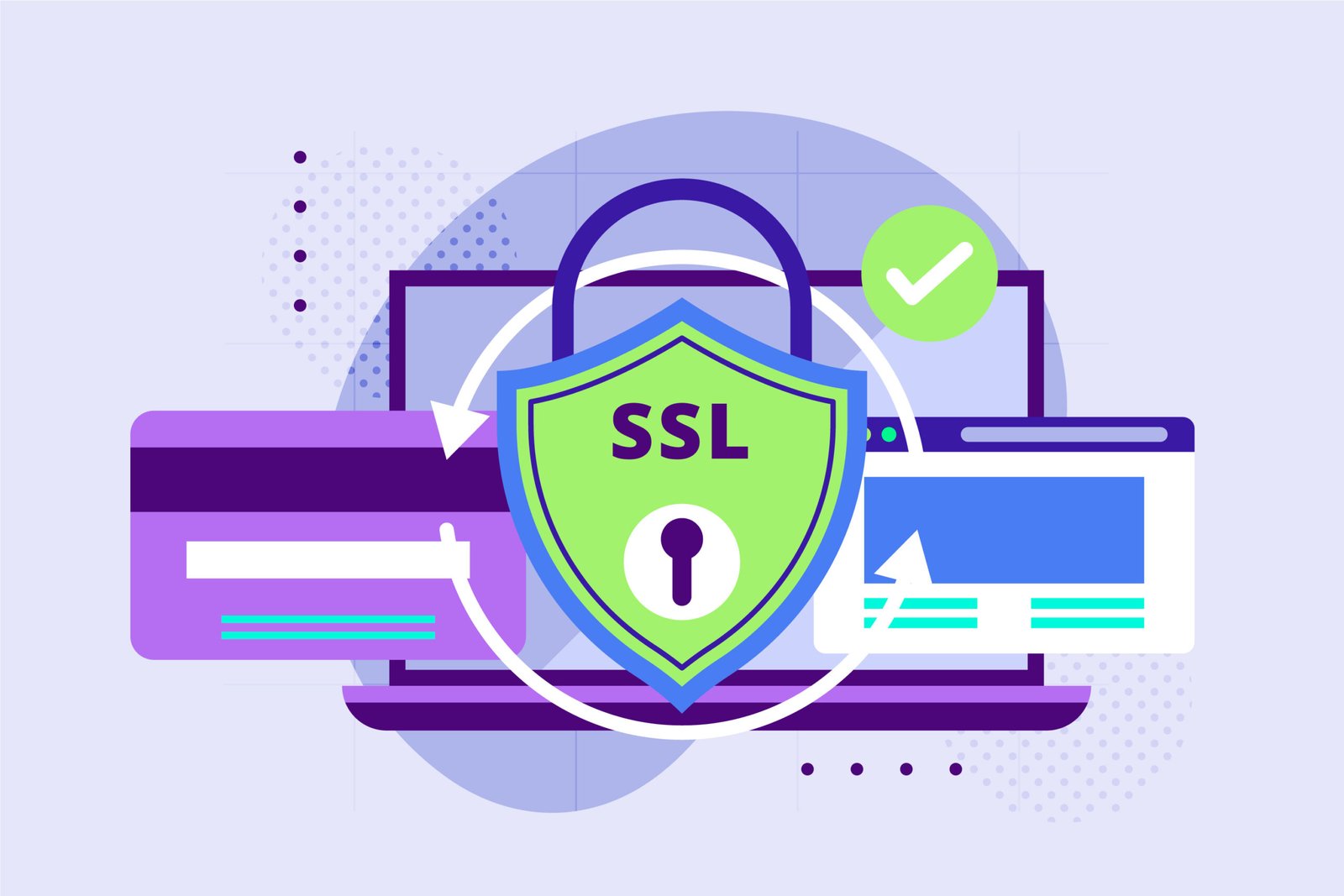
SSL (Secure Sockets Layer) is a digital certificate that encrypts communication between a user’s browser and your website. When SSL is active, your URL changes from HTTP to HTTPS, and a secure padlock appears in the browser. This ensures that sensitive information—such as passwords, payment details, or personal information—cannot be stolen by hackers.
Why SSL Certificates Matter for Website Security
1. Data Encryption
SSL ensures that all information shared on your website is encrypted, making it unreadable to attackers.
2. Builds User Trust
Users trust websites that display the secure padlock symbol. A secure site increases conversions and reduces bounce rates.
3. SEO Advantage
Google considers HTTPS as a ranking factor. The Best SEO agency in India always emphasizes SSL implementation to boost search ranking and organic traffic.
4. Security for Payments & Forms
E-commerce websites and lead-generation pages must have SSL to ensure secure transactions and form submissions.
5. Protects Brand Reputation
Websites without SSL show warnings such as “Not Secure”. This instantly reduces credibility—something no digital marketing agency wants for its clients.
Types of SSL Certificates
Before implementing SSL, choose the right certificate:
1. Domain Validated (DV SSL)
- Basic security
- Suitable for small websites and blogs
2. Organization Validated (OV SSL)
- Higher level of authentication
- Ideal for businesses and agencies
3. Extended Validation (EV SSL)
- Highest security level
- Shows company name in the browser address bar
- Ideal for enterprises, banks, and e-commerce brands
A website development company usually helps businesses identify the right SSL based on security needs.
How to Implement SSL Certificates: Step-by-Step Guide
Step 1: Choose the Right SSL Certificate
You can purchase SSL from:
- Hosting providers
- SSL authorities such as Comodo, DigiCert, or GlobalSign
- Free options like Let’s Encrypt
Even top agencies like the best performance marketing agency in India recommend Let’s Encrypt for startups and premium certificates for large websites.
Step 2: Generate a CSR (Certificate Signing Request)
You’ll need to generate a CSR from your hosting control panel (cPanel, Plesk, or DirectAdmin).
This includes:
- Domain name
- Organization details
- Country and location
The hosting system creates two keys:
- Private Key (keep this safe)
- Public Key (shared via CSR)
Step 3: Submit the CSR to Your SSL Provider
After generating the CSR, submit it to the SSL certificate authority. They will validate your domain or business.
Validation methods include:
- Email verification
- DNS record verification
- File upload verification
Step 4: Download and Install the SSL Certificate
Once approved, download the SSL certificate files from the provider.
Next, install them on your hosting server:
- For cPanel → SSL/TLS section
- For Plesk → Security section
- For Cloud servers → Install using command line
A website development company can assist if you’re unsure how to configure SSL manually.
Step 5: Update Your Website to HTTPS
After installation, force your website to load securely.
Important updates:
- Redirect all HTTP URLs to HTTPS using .htaccess or server rules
- Update internal links
- Update CDN URLs
- Update sitemap with HTTPS
- Resubmit your website to Google Search Console
The Best SEO agency in India always ensures proper HTTPS migration so rankings are not affected.
Step 6: Test Your SSL Certificate
Use tools like:
- SSL Checker
- Qualys SSL Labs
- WhyNoPadLock
These tools help detect:
- Mixed-content issues
- Incomplete installations
- Weak encryption protocols
Best Practices After SSL Implementation
- Renew your SSL certificate before it expires
- Use HSTS for enhanced security
- Apply secure cookies and disable unsafe protocols
- Regularly scan for vulnerabilities
A reliable digital marketing agency or tech partner can help maintain ongoing website security.
Conclusion
Implementing SSL certificates is one of the most essential steps to secure your website, protect user data, improve SEO, and boost credibility. Whether you are a business owner, a startup, or working with the best digital marketing agency Hyderabad, SSL ensures your website is safe and trusted by your audience. Even the best performance marketing agency in India or the Best SEO agency in India considers SSL as the foundation of online success.
With the right SSL certificate, proper installation, and regular maintenance, your website stays protected and your visitors stay confident.
digital marketing agency, best digital marketing agency hyderabad, best performance marketing agency in india, website development company, Best SEO agency in india, Best Shopify development company In India