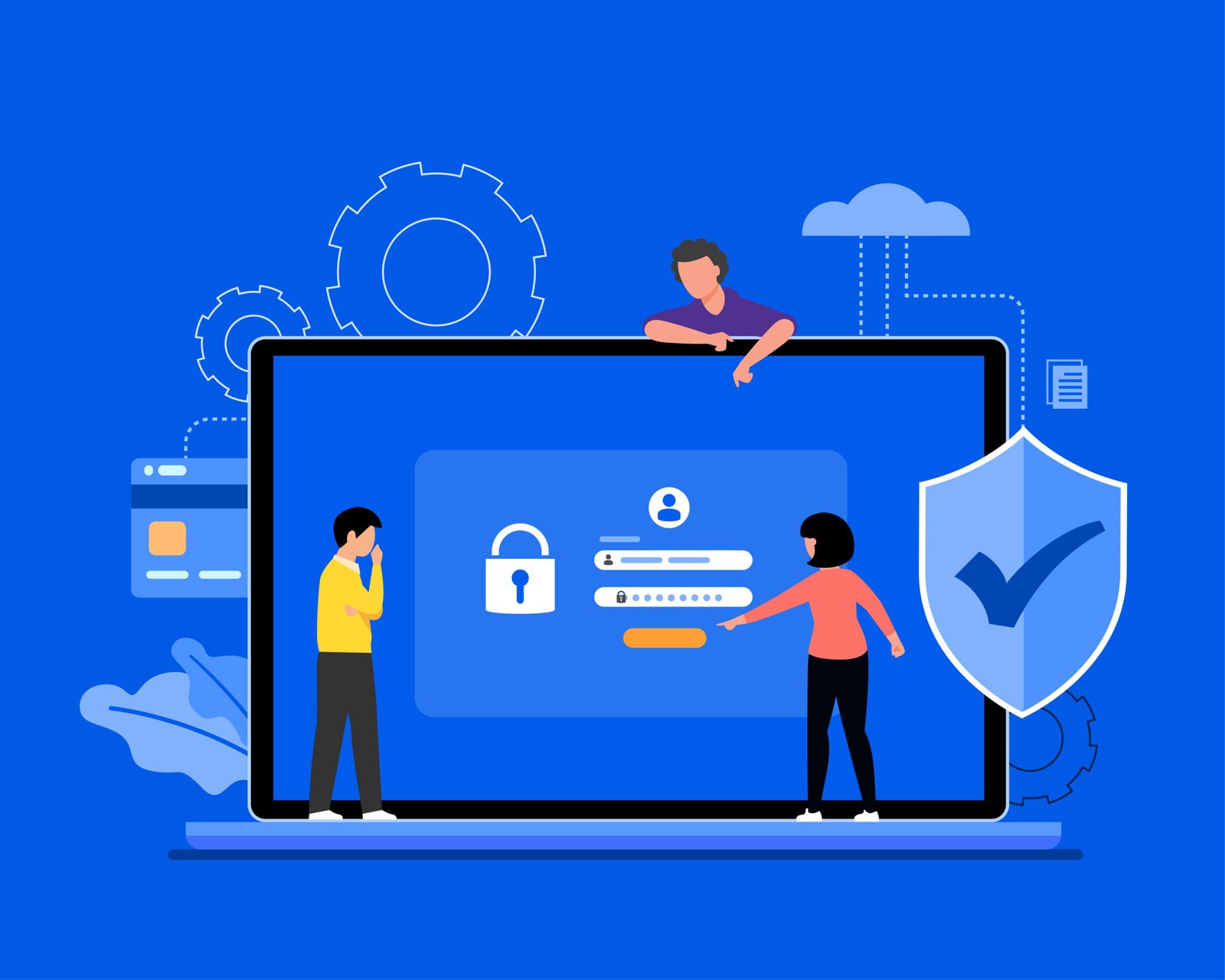
authentication on a website: In today’s digital-first world, user authentication is one of the most essential components of website security. Whether you are a website development company, a digital marketing agency, or a brand managing an online portal, securing user data must always be a top priority. As cyber threats rise, businesses—especially those offering customer portals, e-commerce platforms, and membership-based services—need robust authentication systems that ensure safety and seamless user experience.
This guide explains how to implement user authentication on any website, covering best practices, tools, and techniques. The insights are also extremely beneficial for companies aiming to establish themselves as the best digital marketing agency Hyderabad, the best performance marketing agency in India, or the Best SEO agency in India, as secure websites improve trust, conversions, and search rankings.
1. Understand the Importance of User Authentication
User authentication verifies a person’s identity before granting access to protected areas of a website. It prevents unauthorized users from accessing sensitive data such as personal details, payment information, or business dashboards.
A secure authentication system helps:
- Protect user accounts
- Ensure data privacy
- Reduce website vulnerabilities
- Boost credibility among customers
- Improve SEO, as search engines trust secure websites
For agencies like the best performance marketing agency in India, enabling secure logins ensures smoother campaign dashboards and safer client data storage.
2. Choose the Right Authentication Method
Different websites require different levels of security. Here are the most commonly used authentication methods:
a. Password-Based Authentication
The simplest method where users log in using an email/username and password. While easy to implement, it must be paired with strong security practices like hashing.
b. Two-Factor Authentication (2FA)
Adds an extra layer of protection by requiring a code sent via SMS, email, or an authenticator app.
c. OAuth / Social Login
Login using platforms like Google Sign-In or Facebook Login. It improves user experience and reduces password fatigue.
d. Biometric Authentication
Uses fingerprints or face recognition—ideal for mobile apps and high-security systems.
3. Use Secure Password Storage Techniques
Storing plain-text passwords is the biggest security mistake a website can make. A professional website development company will always implement:
- Hashing: Using algorithms like bcrypt or Argon2
- Salting: Adding random data to make hashes unique
- Peppering: Adding server-side security values
These ensure that even if your database is compromised, the credentials remain unreadable.
4. Use HTTPS and SSL Certificates
Authentication should never happen over an insecure connection. Using HTTPS ensures encrypted communication between the user and server.
To implement HTTPS, install an SSL certificate. Most hosting providers offer free SSL via Let’s Encrypt.
HTTPS not only protects user logins but also boosts SEO rankings—essential for businesses aspiring to be the Best SEO agency in India.
5. Build a Secure Login and Signup System
A secure login system includes:
a. Input Validation
Make sure fields like email and password accept only valid formats. This prevents attacks such as SQL injection.
b. Rate Limiting
Block or delay multiple failed login attempts to stop brute-force attacks.
c. Account Lockout Policies
Temporarily block accounts after repeated incorrect attempts.
d. CAPTCHA Integration
Use tools like Google reCAPTCHA to distinguish real users from bots.
6. Implement Session Management Properly
Once a user logs in, the website creates a session to keep them authenticated. Ensure that:
- Session IDs are long and random
- Sessions expire after inactivity
- Cookies are marked as HttpOnly and Secure
- Logout function destroys the session completely
Good session management prevents impersonation and session hijacking.
7. Use Authentication Libraries and Frameworks
Most modern frameworks provide built-in and secure authentication modules.
Examples include:
- Laravel Auth (PHP)
- Django Authentication (Python)
- Spring Security (Java)
- NextAuth.js (Next.js)
Using trusted libraries reduces development time and security risk—crucial for agencies with multiple client projects.
8. Test Your Authentication System
Before going live:
- Conduct penetration testing
- Use vulnerability scanners
- Test for SQL injection and cross-site scripting
- Validate password policy enforcement
- Check login, logout, and session expiry
A secure system improves user trust—something every digital marketing agency and website development company must prioritize.
9. Maintain and Update Your Authentication System
Security evolves constantly. Regularly update:
- Frameworks
- Plugins
- Authentication libraries
- Server software
Also, monitor logs to detect suspicious activities early.
Conclusion
Implementing robust user authentication is essential for web security, business credibility, and SEO success. Whether you’re scaling your brand as a digital marketing agency, a website development company, the best digital marketing agency Hyderabad, or the best performance marketing agency in India, secure authentication strengthens trust and enhances user experience. By following best practices—SSL, hashed passwords, session security, and modern authentication tools—you create a website that is safe, reliable, and future-ready..
digital marketing agency, best digital marketing agency hyderabad, best performance marketing agency in india, website development company, Best SEO agency in india, Best Shopify development company In India