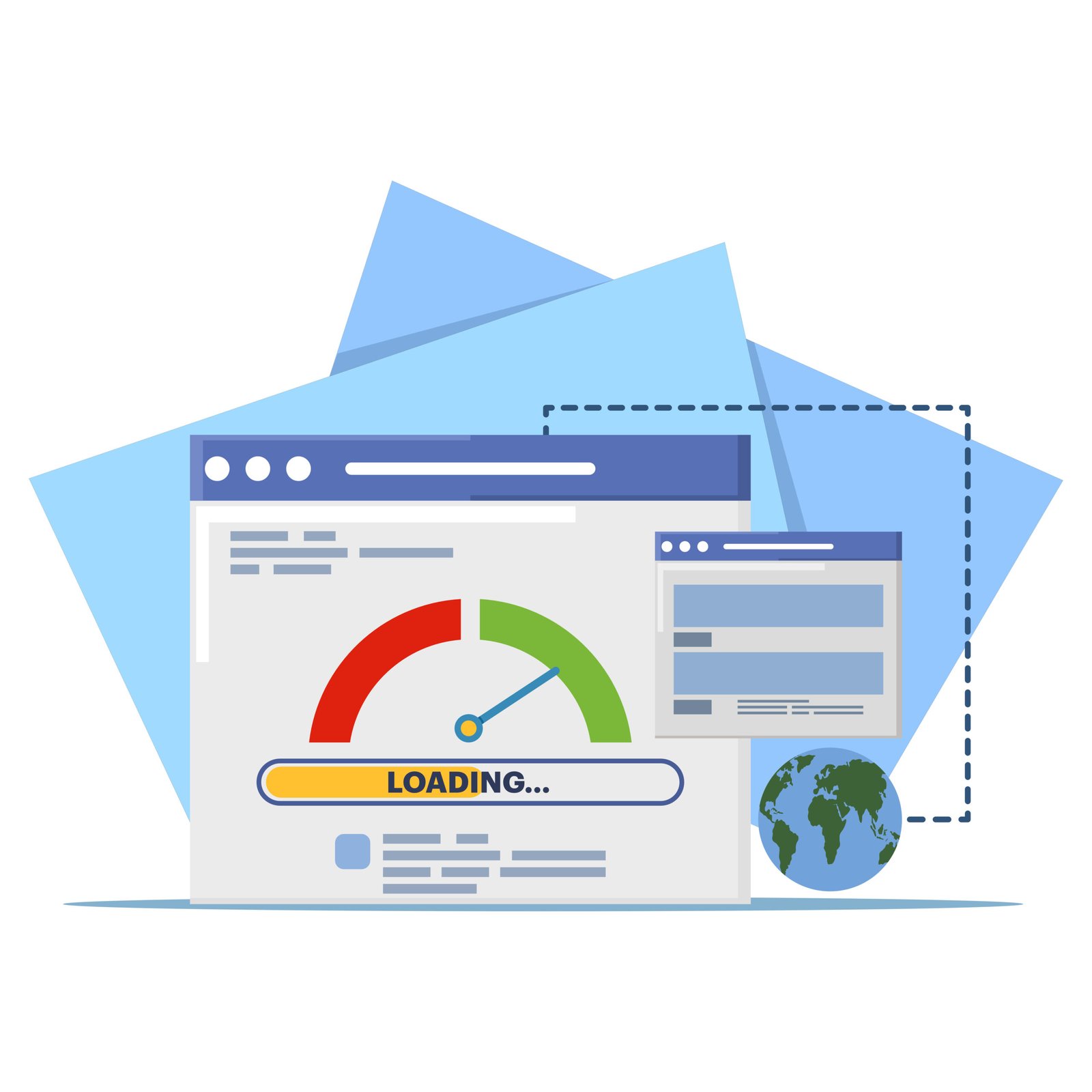
How to monitor uptime and downtime of a website: Monitoring the uptime and downtime of a website is essential for ensuring smooth performance, higher user satisfaction, and better business results. Whether you run a business website, an online store, or manage clients as a digital marketing agency, reliable uptime monitoring directly impacts SEO rankings, conversion rates, and overall brand trust. That’s why every website development company and the Best SEO agency in India strongly emphasizes regular performance and availability tracking.
In this guide, we’ll break down how to monitor website uptime and downtime effectively, what tools to use, and why brands—small or large—must prioritize it.
Why Monitoring Uptime and Downtime Matters
1. Ensures a Seamless User Experience
If your website goes down, customers can’t access your services, make purchases, or contact you. Even a few minutes of downtime can cause frustration and loss of trust.
2. Direct Impact on SEO Rankings
Search engines prefer websites that are available almost all the time. Frequent downtime signals poor user experience, which negatively impacts rankings. This is why the Best SEO agency in India always checks website uptime as part of technical SEO audits.
3. Protects Revenue and Conversions
If your website is unavailable during peak traffic hours, you lose potential customers and revenue. E-commerce brands especially must monitor uptime 24/7.
4. Helps Maintain Brand Reputation
A website that keeps failing makes a business appear unreliable. For a brand that wants to appear professional and trustworthy, uptime monitoring is non-negotiable.
Best Methods to Monitor Website Uptime and Downtime
Monitoring uptime requires the right tools, strategies, and processes. Here are the most effective ways:
1. Use Automated Monitoring Tools
This is the simplest and most effective method. Several tools check your website every minute and notify you instantly if it goes down.
Popular Uptime Monitoring Tools:
- UptimeRobot
- Pingdom
- StatusCake
- Site24x7
- New Relic
These tools send alerts through email, SMS, WhatsApp, Slack, or mobile apps. Many digital marketing agency teams use these tools to keep client websites running smoothly.
What These Tools Track:
- Uptime percentage
- Downtime duration
- Server response time
- Geographic availability
- Real-time outage alerts
A strong uptime score is 99.9% or above.
2. Server and Hosting Monitoring
Your hosting server heavily influences your website availability. A poor hosting plan leads to frequent downtime.
Steps for Server Monitoring:
- Choose a reliable hosting provider
- Monitor CPU and memory usage
- Track bandwidth consumption
- Check for server updates
- Use managed hosting for better uptime
A professional website development company always recommends cloud hosting like AWS, Google Cloud, or DigitalOcean for high availability.
3. Use Real User Monitoring (RUM)
Real User Monitoring helps track actual user experiences instead of just bot checks. Tools like Google Analytics, New Relic, and Datadog help you understand when users experienced slow loading or website failure.
RUM Tracks:
- Live user interactions
- Real-time errors
- Performance metrics per device
- Page loading times
This helps developers and marketing teams identify and fix issues quickly.
4. Set Up Performance Alerts
Performance is directly linked to uptime. If a site becomes too slow, it may crash soon.
Tools can alert you when:
- Load time exceeds a specific threshold
- API failures increase
- Server usage crosses limits
- Traffic spikes occur
These alerts are particularly helpful for campaigns run by the best performance marketing agency in India, as sudden traffic increases can overload servers if not monitored.
5. Use Website Health Dashboards
Advanced dashboards show:
- Downtime history
- Average response speed
- Server performance trends
- Page errors and broken links
These dashboards make monitoring easy for business owners and marketing teams.
6. Implement Redundancy and Backup Systems
Even with perfect monitoring, websites may face unexpected downtime due to errors or cyberattacks.
To minimize downtime:
- Use backup servers (failover system)
- Enable uptime failover routing
- Set up CDN-based availability
- Backup website regularly
Companies like the best digital marketing agency Hyderabad often assist clients with such reliability strategies, especially for high-traffic websites.
7. Conduct Regular Security Checks
Security failures often cause downtime.
Protect your site by:
- Enabling firewalls
- Using SSL certificates
- Updating plugins and themes
- Scanning for malware
- Monitoring suspicious activities
Security and uptime go hand in hand, especially for e-commerce and service websites.
Final Thoughts
Website uptime is one of the most important technical factors that define your business credibility and digital success. Whether you work with a digital marketing agency, a website development company, or handle your own website, monitoring uptime ensures better customer experience, higher SEO rankings, and strong business growth. In fact, the best digital marketing agency Hyderabad and the best performance marketing agency in India consistently prioritize uptime testing to deliver reliable performance for their clients.
By using the right tools, setting alerts, and maintaining a strong hosting environment, you can ensure your website stays available, fast, and secure—24/7.
digital marketing agency, best digital marketing agency hyderabad, best performance marketing agency in india, website development company, Best SEO agency in india, Best Shopify development company In India