Author: digitaldigiwish@gmail.com

  • High-Ticket Affiliate Marketing: 15 Successful Programs

    High-Ticket Affiliate Marketing: 15 Successful Programs

    Affiliate marketing has evolved into one of the most profitable online business models. Instead of selling your own products or services, you earn commissions by promoting products created by others. But while traditional affiliate marketing focuses on low-ticket items like books or tools, high-ticket affiliate marketing takes things to the next level. In this model, affiliates promote premium products or services—often priced in the hundreds or thousands of dollars—allowing them to earn commissions that range from $500 to $5,000 per sale.
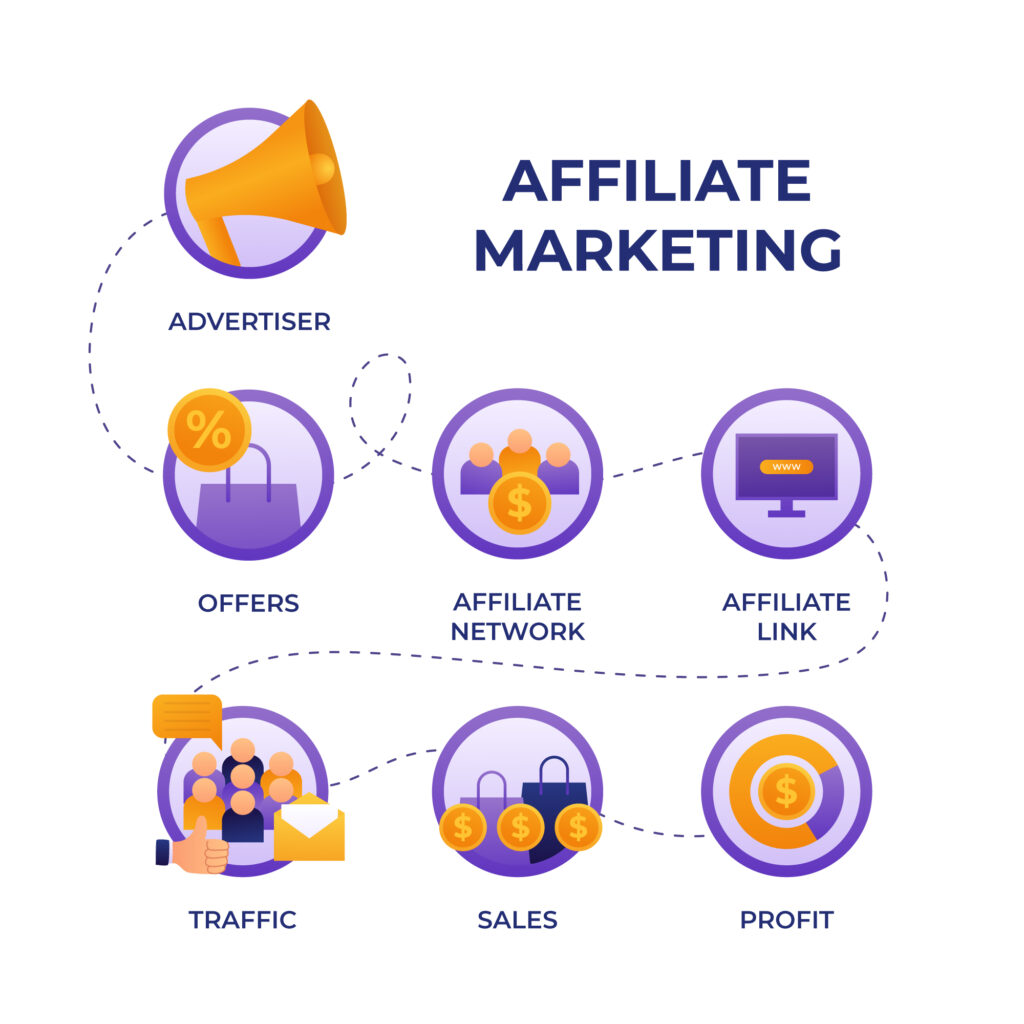
    Affiliate Marketing

    For entrepreneurs, influencers, or even a digital marketing agency looking to diversify revenue streams, high-ticket affiliate marketing is a powerful way to grow. Let’s explore what makes it effective and review 15 successful programs worth considering.


    Why Choose High-Ticket Affiliate Marketing?

    Unlike low-cost affiliate programs that require dozens or even hundreds of sales to generate significant income, high-ticket programs reward fewer but larger conversions. For example, a best performance marketing agency in India can partner with high-ticket SaaS tools or premium services and earn substantial commissions from just a handful of referrals.

    The benefits include:

    • Fewer sales needed to reach income goals.
    • Premium audience targeting with higher intent to purchase.
    • Alignment with authority-building industries like software, education, and luxury services.
    • Long-term passive income with recurring commissions from subscriptions.

    15 Successful High-Ticket Affiliate Programs

    Here’s a curated list of affiliate programs that are known for their high payouts and trustworthiness:

    1. ClickFunnels

    One of the most popular funnel-building platforms, ClickFunnels pays up to 40% recurring commission on subscriptions and training products. Perfect for a website development company or marketing consultant.

    2. HubSpot

    As a leader in CRM and marketing automation, HubSpot offers affiliates up to $1,000 per product purchase. It’s a top pick for the best SEO agency in India targeting businesses.

    3. Kinsta

    A premium WordPress hosting service, Kinsta pays $50–$500 per referral plus 10% monthly recurring commissions. Agencies working with Shopify or WordPress sites can benefit here.

    4. Shopify Plus

    Shopify’s enterprise-level eCommerce platform rewards affiliates handsomely, with payouts in the hundreds or thousands of dollars per referral. If you’re a best Shopify development company in India, this is an ideal program.

    5. Bluehost WP Pro

    While Bluehost is well-known for shared hosting, its managed WordPress services offer high-ticket commissions, often in the range of $65–$500 per referral.

    6. Teachable

    As online learning surges, Teachable allows creators to build and sell courses. Affiliates earn 30% commission on sales—often in the hundreds for premium plans.

    7. Coursera Partner Program

    With professional certificates and degree programs, Coursera pays up to 45% commission, especially lucrative when learners sign up for higher-priced programs.

    8. SEMrush

    A favorite tool for SEO agencies, SEMrush pays affiliates $200 per sale for its premium plans. A best SEO agency in India can easily align with this.

    9. Authority Hacker Pro

    This digital marketing training course pays affiliates $997 per sale, making it one of the most lucrative education programs.

    10. Wealthy Affiliate

    A community-driven affiliate training platform, it offers up to $175 recurring commissions per sign-up for premium members.

    11. Fiverr Pro

    For high-value freelancers, Fiverr Pro affiliates can earn $150–$500 commissions per client referral, depending on the service purchased.

    12. Thinkific Plus

    Another leading online course platform, Thinkific Plus offers affiliates up to 30% recurring commissions on enterprise clients.

    13. Luxury Card

    Affiliates promoting high-end credit cards like Luxury Card can earn $200–$500 commissions per approved application.

    14. WP Engine

    A premium hosting provider that pays $200 per referral or 100% of the customer’s first monthly payment.

    15. Liquid Web

    Known for managed hosting solutions, Liquid Web pays affiliates $150–$7,000 per sale, depending on the hosting plan chosen.


    How to Succeed in High-Ticket Affiliate Marketing

    Promoting these programs is not just about placing links—it’s about building trust, authority, and strong digital visibility. Here’s how:

    1. Build an Authority Website – If you’re a website development company, design SEO-optimized blogs and landing pages to capture traffic.
    2. Leverage SEO – The best SEO agency in India knows how to rank content on Google, ensuring steady organic traffic.
    3. Use Paid Ads – A best performance marketing agency in India can run targeted campaigns on Google, Facebook, or LinkedIn for conversions.
    4. Email Marketing – Build funnels with platforms like ClickFunnels and nurture leads through email campaigns.
    5. Content Marketing – Case studies, in-depth reviews, and comparison guides drive credibility and conversions.

    Final Thoughts

    High-ticket affiliate marketing is one of the most scalable business models for anyone serious about online income. Whether you’re a freelancer, content creator, or running a digital marketing agency, the right programs can unlock commissions that transform your business.

    From SaaS tools like SEMrush and HubSpot to platforms like Shopify Plus and Teachable, the opportunities are endless. If you’re in India, especially operating as the best digital marketing agency Hyderabad, positioning yourself as a trusted partner with these high-value brands can give you an unbeatable edge.

    By combining affiliate partnerships with strategies in SEO, performance marketing, and web development, you’ll not only boost revenue but also strengthen your agency’s credibility as a growth partner for modern businesses.

    digital marketing agency, best digital marketing agency hyderabad, best performance marketing agency in india, website development company, Best SEO agency in india, Best Shopify development company In India
  • Digital PR: What It Is + 10 Successful Examples

    Digital PR: What It Is + 10 Successful Examples

    Digital PR: In today’s hyper-connected world, traditional public relations (PR) alone is no longer enough to build a strong brand presence. Businesses are increasingly turning to Digital PR—a modern strategy that combines online marketing, search engine optimization (SEO), and content marketing to amplify brand visibility, reputation, and credibility. Whether you are a digital marketing agency, an e-commerce startup, or a global enterprise, Digital PR can help you cut through the clutter and get noticed.

    Digital PR
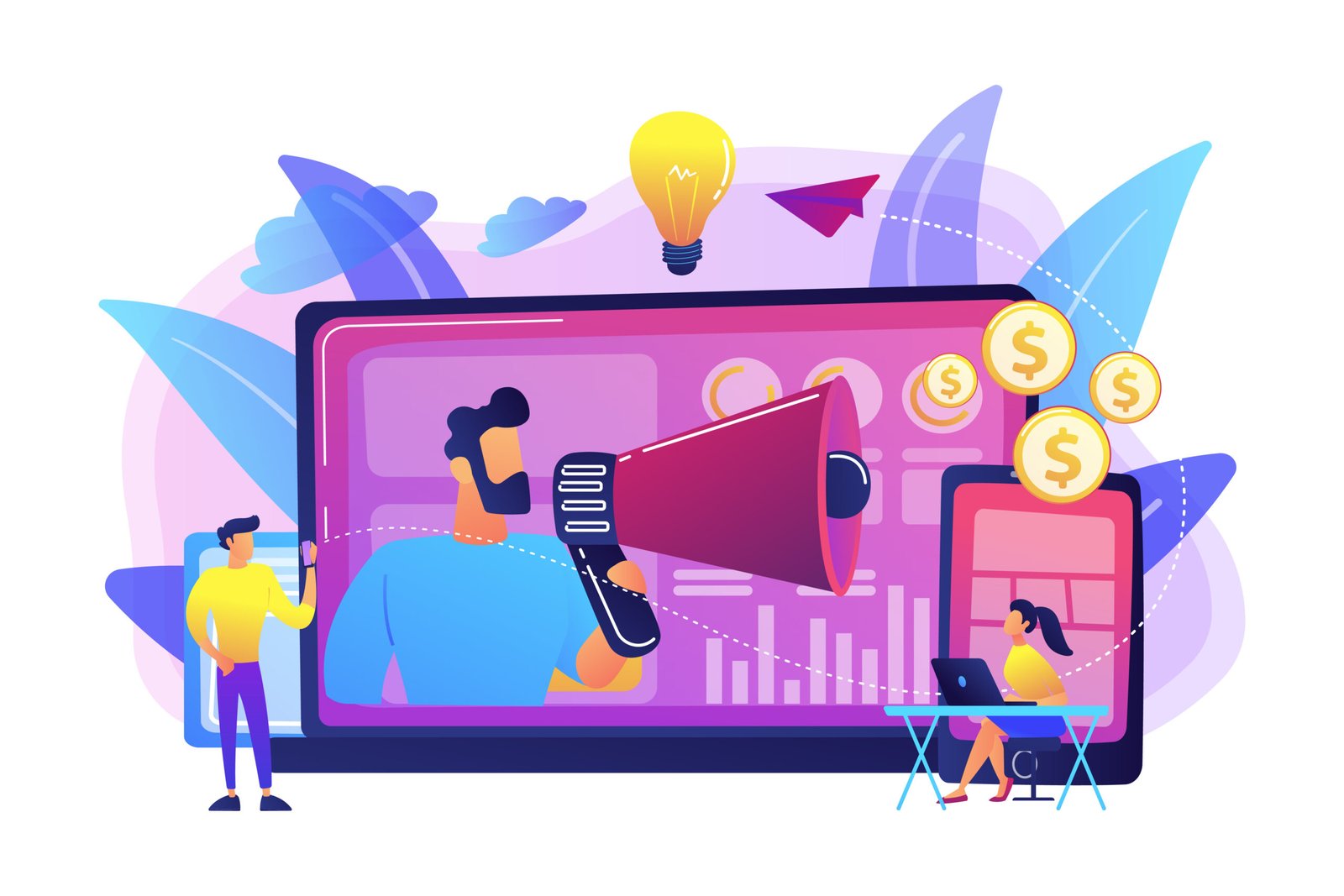
    Marketer delivering ads with megaphone and devices. Cross-device marketing, cross-device marketing analysis and strategy concept on white background. Bright vibrant violet vector isolated illustration

    What Is Digital PR?

    Digital PR is an online marketing strategy that leverages digital platforms, influencers, bloggers, social media, and online publications to enhance brand reputation and authority. Unlike traditional PR that relies heavily on print or broadcast media, Digital PR focuses on securing backlinks, improving SEO, driving website traffic, and engaging audiences online.

    Top players such as the Best SEO agency in India, the best performance marketing agency in India, and even the best Shopify development company in India often integrate Digital PR into their strategies to deliver measurable results for clients.

    In simple terms, Digital PR is about earning coverage and mentions where your audience is most active—online.


    Key Benefits of Digital PR

    1. Improved SEO & Rankings: Getting backlinks from high-authority sites helps boost your search engine rankings.
    2. Increased Brand Awareness: Your brand reaches new audiences across multiple online platforms.
    3. Enhanced Credibility: Being featured in reputable online publications builds trust.
    4. Higher Website Traffic: Digital PR campaigns often drive targeted visitors to your site.
    5. Lead Generation: Well-executed Digital PR directly contributes to business growth.

    10 Successful Digital PR Examples

    Here are ten strategies and real-life examples businesses and agencies can use to build a strong Digital PR presence.

    1. Data-Driven Research Campaigns

    Brands often publish surveys, industry reports, or statistics that media outlets love to feature. For example, a digital marketing agency can release annual SEO trend reports that get picked up by leading publications.

    2. Expert Thought Leadership

    Getting featured as a guest writer or quoted expert builds authority. The best digital marketing agency Hyderabad often encourages its leaders to write for LinkedIn or industry blogs, positioning themselves as thought leaders.

    3. Creative Infographics

    Infographics simplify complex data and are highly shareable. A website development company could create an infographic about “The Evolution of E-commerce Platforms” and pitch it to online magazines.

    4. Influencer Collaborations

    Partnering with niche influencers to review or showcase products helps amplify reach. For example, the best Shopify development company in India might collaborate with e-commerce influencers to highlight its services.

    5. Viral Social Media Campaigns

    A unique idea on Instagram, Twitter, or YouTube can go viral, attracting media attention. Successful memes, hashtags, or short video trends can double as PR tools.

    6. Newsjacking

    Responding quickly to trending news stories with expert insights earns brands visibility. For instance, the best performance marketing agency in India could share expert takes on Google’s latest algorithm update and secure mentions in tech blogs.

    7. Charity & CSR Campaigns

    Highlighting your company’s community impact creates positive PR. A Best SEO agency in India running an initiative to provide free SEO workshops for students could get covered by major online outlets.

    8. Interactive Content Campaigns

    Quizzes, calculators, and tools can spread virally. A digital marketing agency might launch a free “Marketing ROI Calculator” and pitch it to online business portals.

    9. Creative Product Launches

    Unique product launches, coupled with influencer unboxing videos, can earn strong PR coverage. A website development company could build a gamified online experience for a client’s product launch.

    10. Customer Success Stories

    Case studies highlighting how clients achieved growth through your services can attract attention. For example, the best Shopify development company in India could publish how they helped an e-commerce brand triple sales, gaining coverage in online magazines.


    How Businesses Can Leverage Digital PR

    • Collaborate with Agencies: Partner with the best performance marketing agency in India or the best digital marketing agency Hyderabad to build impactful PR campaigns.
    • Focus on SEO: The Best SEO agency in India integrates link-building and keyword strategies into every PR campaign.
    • Use Storytelling: Whether you are a website development company or an e-commerce business, storytelling adds emotional value to campaigns.
    • Track Results: Use tools like Google Analytics, Ahrefs, and SEMrush to measure backlinks, traffic, and conversions.

    Final Thoughts

    Digital PR is not just about getting mentioned in the media—it’s about creating long-term brand authority, credibility, and online visibility. In today’s competitive digital ecosystem, integrating PR with SEO, social media, and content marketing is crucial for success.

    Whether you are a small business or a large enterprise, working with experts such as a digital marketing agency, the best performance marketing agency in India, the best SEO agency in India, or the best Shopify development company in India ensures that your Digital PR campaigns are impactful and results-driven.

    If you want your brand to stand out online, embrace Digital PR today—because your audience is already searching for you.

    digital marketing agency, best digital marketing agency hyderabad, best performance marketing agency in india, website development company, Best SEO agency in india, Best Shopify development company In India
  • Contribution Margin Ratio Explained: What It Is and How to Improve Yours

    Contribution Margin Ratio Explained: What It Is and How to Improve Yours

    Contribution Margin Ratio: In today’s competitive business world, understanding your profitability metrics is essential for making smarter decisions. One such metric that often gets overlooked is the Contribution Margin Ratio (CMR). Whether you run a small eCommerce store, a SaaS startup, or even a digital marketing agency, knowing your contribution margin ratio can help you measure financial health and identify areas for improvement.

    Contribution Margin Ratio
    Business and human resources infographic, vector illustration.

    This article will break down what the contribution margin ratio is, why it matters, and how you can improve it to maximize profits.


    What Is Contribution Margin Ratio?

    The Contribution Margin Ratio is a financial metric that shows the percentage of sales revenue that remains after deducting variable costs. It essentially answers this question: How much money from each dollar of sales is available to cover fixed costs and generate profit?

    The formula is simple:

    Contribution Margin Ratio (CMR) = (Sales – Variable Costs) ÷ Sales × 100

    For example, if your company generates ₹10,00,000 in revenue and your variable costs are ₹6,00,000, the contribution margin ratio would be:

    (10,00,000 – 6,00,000) ÷ 10,00,000 × 100 = 40%

    This means 40% of your sales revenue contributes to covering fixed costs and profit.


    Why Is Contribution Margin Ratio Important?

    1. Helps in Pricing Decisions
      Businesses like a website development company or the best Shopify development company in India can use CMR to evaluate if their pricing strategies leave enough room for profitability.
    2. Guides Marketing Strategy
      A digital marketing agency that invests heavily in ads needs to know the CMR to ensure that customer acquisition costs don’t eat into profits.
    3. Break-Even Analysis
      Contribution margin ratio helps calculate the break-even point—the sales level at which your business neither profits nor loses.
    4. Operational Efficiency
      For the best performance marketing agency in India, a strong CMR reflects that operational costs are under control and campaigns are structured for higher ROI.

    How to Improve Your Contribution Margin Ratio

    Now that you understand what CMR is, the next step is improving it. Here are some proven strategies:

    1. Increase Prices Strategically

    Raising prices without losing customers can instantly improve your CMR. For example, the best digital marketing agency Hyderabad often justifies premium pricing by offering high-quality, data-driven campaigns that deliver measurable ROI.

    2. Reduce Variable Costs

    Variable costs such as raw materials, software tools, or advertising spend directly affect your CMR. For instance:

    • A website development company can reduce costs by automating repetitive coding tasks.
    • A digital marketing agency can optimize ad campaigns to lower cost-per-click (CPC) while driving better conversions.

    3. Focus on High-Margin Products or Services

    Not all services have the same margin. The best SEO agency in India knows that SEO retainers often provide higher margins than one-time website audits. By prioritizing high-margin services, businesses can naturally improve CMR.

    4. Bundle Services or Upsell

    Cross-selling and upselling improve margins without significantly increasing costs. A Shopify development company in India might offer hosting, maintenance, and SEO services along with store design to maximize revenue per client.

    5. Improve Operational Efficiency

    Cutting waste in processes improves margins. For example:

    • Best digital marketing agency Hyderabad can use automation to streamline reporting and campaign optimization.
    • A website development company can use pre-built templates or frameworks to reduce development time.

    6. Optimize Marketing Spend

    If you’re running paid ads, ensuring the cost of acquiring a customer is lower than the margin earned is crucial. This is why the best performance marketing agency in India focuses on targeting high-intent audiences and reducing wasted ad spend.


    Real-World Example

    Imagine a Shopify development company in India charging ₹2,00,000 for a full eCommerce setup. The variable costs (developer salaries, hosting, software) total ₹1,20,000.

    Contribution margin = ₹2,00,000 – ₹1,20,000 = ₹80,000
    Contribution margin ratio = ₹80,000 ÷ ₹2,00,000 × 100 = 40%

    Now, if the company streamlines development and reduces costs by ₹20,000, the new CMR becomes:

    ₹1,00,000 ÷ ₹2,00,000 × 100 = 50%

    That 10% improvement makes a huge difference in profitability.


    The Bigger Picture

    Improving your contribution margin ratio is not about just cutting costs—it’s about making smarter decisions. A digital marketing agency may find that focusing on SEO instead of paid ads improves long-term profitability. A website development company might realize that offering subscription-based maintenance services provides a steady, high-margin revenue stream.

    The best SEO agency in India or the best Shopify development company in India often have higher CMRs because they focus on sustainable, scalable models instead of one-off services.


    Final Thoughts

    The Contribution Margin Ratio is more than a number—it’s a mirror reflecting your business’s efficiency and profitability. By strategically pricing your services, reducing unnecessary variable costs, focusing on high-margin offerings, and improving efficiency, you can significantly increase your margins.

    Whether you’re running a digital marketing agency, the best digital marketing agency Hyderabad, the best performance marketing agency in India, a website development company, the best SEO agency in India, or the best Shopify development company in India, improving your contribution margin ratio will give you the financial strength to scale, innovate, and dominate your industry.

    digital marketing agency, best digital marketing agency hyderabad, best performance marketing agency in india, website development company, Best SEO agency in india, Best Shopify development company In India
  • SEO Audit Pricing: Real Costs, What’s Included, and How to Spot a Ripoff

    SEO Audit Pricing: Real Costs, What’s Included, and How to Spot a Ripoff

    SEO Audit Pricing: Search Engine Optimization (SEO) is the backbone of digital visibility, and an SEO audit is the very first step toward improving rankings. But when businesses search for SEO audit pricing, they often come across a wide range of costs—some audits are offered for free, others run into thousands of dollars. So, what’s the real story behind SEO audit pricing? What’s included in a professional audit? And how can you avoid getting ripped off?

    SEO Audit Pricing
    SEO optimization diagnostic business analytics

    In this article, we’ll break it all down for you, whether you’re a business owner looking for the best digital marketing agency Hyderabad, the best SEO agency in India, or a website development company that also provides SEO services.


    What is an SEO Audit?

    An SEO audit is a comprehensive analysis of your website’s ability to rank on search engines like Google. It examines on-page SEO, technical issues, content quality, backlinks, user experience, and competitor benchmarking.

    Unlike general advice, an audit provides actionable insights. The goal is to identify weaknesses that prevent your website from ranking and highlight opportunities to boost traffic.

    For businesses aiming to grow their online presence—whether you’re an e-commerce store searching for the best Shopify development company in India or a local service provider—an SEO audit is your roadmap to higher visibility.


    SEO Audit Pricing: What’s the Real Cost?

    SEO audit costs can vary based on expertise, scope, and deliverables. Here’s what you can expect:

    1. Free SEO Audits
      Many agencies and tools offer free audits. While these are helpful for a quick overview, they are often automated and lack depth. You’ll get a checklist, but no real strategy.
    2. Basic Audits ($200–$500 / ₹15,000–₹40,000)
      Small businesses or startups often opt for this level. It typically covers:
      • Site crawl issues
      • On-page elements (titles, meta descriptions, headings)
      • Mobile-friendliness checks
      • Page speed insights
    3. Comprehensive Audits ($1,000–$5,000 / ₹80,000–₹4,00,000)
      Offered by the best performance marketing agency in India, these audits are detailed and include:
      • Full technical SEO review
      • Content and keyword gap analysis
      • Backlink profile evaluation
      • Competitor benchmarking
      • Conversion funnel review
      • Actionable strategy with timelines
    4. Enterprise-Level Audits ($10,000+ / ₹8,00,000+)
      For large organizations, e-commerce giants, and corporations, enterprise audits include everything above plus advanced analytics, multiple site properties, and team workshops.

    The pricing reflects the depth of analysis and expertise. A digital marketing agency that truly understands SEO will provide a tailored audit—not a one-size-fits-all report.


    What’s Included in a Quality SEO Audit?

    A professional audit from the best SEO agency in India should cover at least these six areas:

    1. Technical SEO Analysis
      • Website crawlability and indexing issues
      • HTTPS, XML sitemaps, robots.txt checks
      • Core Web Vitals and site speed
    2. On-Page SEO
      • Keyword optimization in meta tags, headings, and content
      • Internal linking structure
      • Image optimization
    3. Content Audit
      • Duplicate or thin content issues
      • Keyword gap analysis
      • Content quality and engagement metrics
    4. Backlink Profile
      • Authority of inbound links
      • Toxic backlinks identification
      • Link-building opportunities
    5. User Experience (UX)
      • Mobile responsiveness
      • Navigation and site architecture
      • Conversion rate optimization
    6. Competitor Analysis
      • Strengths and weaknesses of competitors
      • Market opportunities
      • Ranking comparisons

    When a website development company also offers SEO audits, they can align both site performance and SEO—ensuring your website isn’t just beautiful but also optimized for rankings.


    How to Spot an SEO Audit Ripoff

    Unfortunately, many businesses fall into traps when shopping for audits. Here’s how to identify red flags:

    1. Too Good to Be True Pricing
      If someone promises a “comprehensive audit” for $50 (₹4,000), it’s likely automated and worthless.
    2. No Customization
      Every business is different. If the agency doesn’t ask about your goals or industry, you’re just getting a generic report.
    3. Lack of Transparency
      The best digital marketing agency Hyderabad will clearly outline what’s included, how long it will take, and what deliverables you’ll receive.
    4. Guaranteeing Rankings
      SEO is influenced by algorithms and competition. Any agency guaranteeing “#1 rankings in 30 days” is a red flag.

    Why Paying for a Professional SEO Audit is Worth It

    Think of an SEO audit as a health check-up for your website. Just like a good doctor diagnoses problems before prescribing treatment, a thorough audit diagnoses SEO issues before recommending strategies.

    Investing in a detailed audit ensures:

    • Better ROI on SEO campaigns
    • Improved user experience
    • Long-term visibility on search engines
    • Increased leads and sales

    Whether you hire the best performance marketing agency in India, the best Shopify development company in India, or a full-service digital marketing agency, a quality audit will save you money in the long run.


    Final Thoughts

    SEO audit pricing can range from free to several lakhs, depending on depth and expertise. What matters most is not just the price, but the value and insights you get from it.

    To avoid being ripped off:

    • Compare deliverables, not just cost.
    • Work with a trusted best SEO agency in India.
    • Ensure the audit is customized for your business.

    When done right, an SEO audit is not just an expense—it’s an investment in growth. If you’re serious about digital visibility, start by partnering with a reputed digital marketing agency that knows how to combine SEO, web development, and performance marketing into one powerful growth strategy.

    digital marketing agency, best digital marketing agency hyderabad, best performance marketing agency in india, website development company, Best SEO agency in india, Best Shopify development company In India
  • Ditch the Guesswork: Data Centric Approach to Media Planning and Budgeting

    Ditch the Guesswork: Data Centric Approach to Media Planning and Budgeting

    Data Centric Approach: In today’s competitive digital landscape, businesses cannot afford to rely on guesswork when it comes to media planning and budgeting. The old way of allocating ad spend based on intuition or outdated benchmarks often results in wasted resources and missed opportunities. A data-centric approach ensures that every rupee or dollar spent delivers measurable results. Whether you are a digital marketing agency, a website development company, or even a small business owner, integrating data into your strategy is the key to maximizing return on investment (ROI).

    Why Guesswork Doesn’t Work Anymore

    The digital era has changed consumer behavior. Customers research, compare, and analyze before making purchasing decisions. With platforms like Google, Instagram, and Facebook providing in-depth analytics, brands have no excuse to rely on assumptions. Guesswork in media planning often leads to:

    • Overspending on underperforming channels.
    • Neglecting high-ROI opportunities.
    • Inconsistent brand visibility.
    • Inability to scale campaigns effectively.

    For example, many brands assume Facebook Ads work better than Google Ads without analyzing audience behavior, cost-per-lead (CPL), or customer acquisition cost (CAC). This is where a best performance marketing agency in India leverages data-driven insights to optimize every campaign.

    What is a Data-Centric Approach?

    A data-centric approach to media planning and budgeting means making every decision backed by metrics, not assumptions. It involves gathering, analyzing, and applying real-time insights to optimize campaigns. Instead of “spending because it feels right,” companies invest based on actual evidence of what drives conversions, clicks, and customer engagement.

    Core Principles of Data-Centric Media Planning:

    1. Audience Insights – Use tools like Google Analytics, Facebook Audience Insights, and CRM data to understand demographics, interests, and behaviors.
    2. Channel Performance – Analyze past performance across social media, search engines, display ads, and email to identify the most profitable platforms.
    3. ROI-Focused Budgeting – Allocate funds where data shows the highest return instead of splitting budgets evenly or randomly.
    4. Continuous Testing – A/B test ad creatives, landing pages, and CTAs to refine performance.
    5. Real-Time Adjustments – Monitor campaigns live and reallocate budgets quickly when trends shift.

    Benefits of Data-Centric Media Planning

    1. Improved Efficiency – No more wasted spend on irrelevant audiences or low-performing platforms.
    2. Higher ROI – Every penny is optimized toward results, whether that means leads, sales, or traffic.
    3. Scalability – Brands can confidently scale campaigns once data proves what works.
    4. Customer-Centric Marketing – Data ensures messaging resonates with real audience needs.
    5. Competitive Advantage – Companies using data outperform those relying on instinct.

    Role of Agencies in Data-Driven Budgeting

    Many businesses lack the expertise to interpret data correctly. This is where a digital marketing agency comes into play. The best digital marketing agency Hyderabad or the best SEO agency in India doesn’t just run ads—it studies analytics, forecasts trends, and builds predictive models. With advanced tools like Google Data Studio, SEMrush, and HubSpot, agencies craft strategies that minimize guesswork and maximize results.

    For eCommerce, working with the Best Shopify Development Company in India ensures not only smooth website performance but also integrated analytics to track customer journeys. Similarly, SEO-focused businesses can benefit from a website development company that integrates keyword research, technical SEO, and conversion tracking into their websites.

    Real-World Application: How Data Shapes Budgeting

    Imagine a fashion brand spending ₹5 lakh monthly on ads. Traditionally, it might split funds 50% on Facebook, 30% on Google, and 20% on Instagram. However, a data-centric approach would look like this:

    • Analyze past campaigns: Google Ads deliver higher-quality leads at ₹250 per lead vs. Facebook’s ₹400.
    • Monitor website analytics: Instagram drives traffic, but with a higher bounce rate.
    • Track sales attribution: 60% of conversions come from retargeting campaigns.

    With this insight, the revised budget may allocate 40% to Google Ads, 35% to retargeting, and 25% to Facebook/Instagram combined. The result? Lower cost per acquisition (CPA) and higher revenue without increasing overall spend.

    The Future of Media Planning is Predictive

    As AI and machine learning advance, data-centric media planning is becoming predictive. Instead of only analyzing past results, tools can now forecast future outcomes. Imagine knowing exactly how much ROI a campaign will deliver before even launching it. This is the level of precision the best performance marketing agency in India is already moving toward.

    Predictive analytics helps:

    • Forecast seasonal demand.
    • Identify high-value customer segments.
    • Automate budget allocation across platforms.
    • Personalize campaigns for maximum impact.

    Conclusion

    Guesswork is a costly habit in digital marketing. Businesses that continue to rely on intuition will find themselves outperformed by competitors who embrace data. A data-centric approach to media planning and budgeting ensures resources are spent strategically, performance is measurable, and campaigns deliver predictable results.

    Whether you’re hiring the best digital marketing agency Hyderabad, partnering with the best SEO agency in India, or scaling your eCommerce with the Best Shopify Development Company in India, data should drive every decision. Ditch the guesswork—because in today’s market, numbers don’t just tell the story, they write the future of your business success.

    digital marketing agency, best digital marketing agency hyderabad, best performance marketing agency in india, website development company, Best SEO agency in india, Best Shopify development company In India

  • Amazon SEO: 7-Step Framework for Top-Five Rankings

    Amazon SEO: 7-Step Framework for Top-Five Rankings

    Amazon SEO: Selling on Amazon has become highly competitive, with millions of sellers striving to capture buyers’ attention. To stand out, simply listing your products isn’t enough—you need to optimize them for Amazon SEO. Unlike Google SEO, Amazon’s A9 algorithm focuses heavily on sales performance, relevance, and customer satisfaction. By following a structured framework, you can boost visibility, rank in the top five positions, and ultimately increase sales.

    Amazon SEO
    SEO ranking analysis banner. Technology for internet marketing and digital business content. Computer desktop with wrench, magnifier, graphs and media icons around, Cartoon vector illustration, poster

    As a digital marketing agency or even as a seller managing your own storefront, applying the right Amazon SEO tactics is essential. Here’s a practical 7-step framework for top-five Amazon rankings.


    1. Comprehensive Keyword Research

    Just like Google SEO, Amazon SEO begins with keyword research. Buyers search with intent, so identifying the right keywords ensures your products appear in relevant results.

    • Use tools like Helium 10, Jungle Scout, or Amazon’s auto-suggest feature.
    • Focus on primary keywords (high volume) and long-tail keywords (high intent).
    • Analyze competitors’ listings to find missed opportunities.

    For example, if you’re selling “wireless headphones,” don’t just optimize for the generic keyword. Include variations like “Bluetooth earbuds,” “noise-cancelling headphones,” or “workout earphones.”

    A website development company that manages eCommerce websites can integrate these keyword strategies while designing Amazon-friendly product pages.


    2. Optimize Product Titles for Visibility

    Titles carry the most weight in Amazon SEO. An optimized title balances readability with keyword inclusion.

    Best practices:

    • Start with your primary keyword.
    • Add brand name, key features, and size/quantity.
    • Keep titles within 150–200 characters.

    Example: “Noise-Cancelling Wireless Bluetooth Headphones with Mic – Over-Ear, 40H Battery Life, Black”

    Even the best digital marketing agency Hyderabad recommends using titles as click-magnets because they directly impact both rankings and conversions.


    3. Enhance Bullet Points and Descriptions

    Bullet points and descriptions give buyers clarity, while also signaling relevance to Amazon’s algorithm.

    • Use 5 concise bullet points covering features, benefits, and differentiators.
    • Add secondary keywords naturally within the description.
    • Focus on customer pain points and how your product solves them.

    This is where storytelling comes in. A best performance marketing agency in India would frame descriptions that trigger emotions while boosting keyword density.


    4. Leverage Backend Keywords

    Amazon provides a backend keyword field where sellers can add search terms invisible to customers but vital for SEO.

    Tips:

    • Don’t repeat keywords already in titles or bullets.
    • Use alternate spellings, synonyms, and international variations.
    • Stay within the 250-character limit.

    For instance, if your product title is optimized for “Bluetooth headphones,” backend keywords can include “BT headphones,” “wireless earphones,” or “hands-free headset.”


    5. Optimize Product Images & A+ Content

    Visuals play a big role in conversions. Amazon favors listings with higher click-through and conversion rates, which directly influence rankings.

    • Use high-resolution images with a white background.
    • Add lifestyle images showing product usage.
    • Highlight features with infographics.

    If your brand is enrolled in Amazon Brand Registry, create A+ Content (Enhanced Brand Content) with comparison charts, brand story, and visuals. Many brands hire the Best SEO agency in India to create content that aligns with both SEO and branding goals.


    6. Improve Reviews, Ratings & Sales Velocity

    Amazon prioritizes products with strong reviews and consistent sales. Building credibility is a crucial ranking factor.

    Strategies:

    • Encourage satisfied customers to leave reviews through follow-up emails.
    • Offer top-notch customer service to reduce negative feedback.
    • Use promotions or Amazon PPC ads to boost initial sales velocity.

    This is where working with the Best Shopify development company in India or a performance-focused digital agency pays off. They can align your Amazon sales funnel with external traffic sources like Google Ads, Facebook Ads, and Instagram campaigns.


    7. Track, Analyze & Continuously Optimize

    Amazon SEO is not a one-time task; it’s an ongoing process.

    • Monitor keyword rankings using tools like Sellics or Ahrefs (Amazon module).
    • Analyze click-through rates and conversion rates.
    • Continuously A/B test titles, images, and descriptions.

    Just like a digital marketing agency tracks performance for client websites, Amazon sellers must refine their SEO strategy regularly to maintain top-five positions.


    Final Thoughts

    Reaching the top-five rankings on Amazon requires more than guesswork—it demands a structured approach. By applying this 7-step framework—covering keyword research, product optimization, backend keywords, images, reviews, and ongoing analysis—you can significantly improve visibility and sales.

    Whether you’re an independent seller or a large brand, leveraging professional support from the best digital marketing agency Hyderabad, the best performance marketing agency in India, or the best SEO agency in India ensures a data-driven approach that yields results. Similarly, partnering with a website development company or the Best Shopify development company in India can help integrate your Amazon strategy with your broader eCommerce ecosystem.

    Amazon SEO is an investment, not a one-time task. Consistency and optimization are the keys to staying ahead in a crowded marketplace. By following these steps, your products won’t just get found—they’ll get purchased.

    digital marketing agency, best digital marketing agency hyderabad, best performance marketing agency in india, website development company, Best SEO agency in india, Best Shopify development company In India
  • What Is Substack? How to Go From Zero to Paid Subscribers

    What Is Substack? How to Go From Zero to Paid Subscribers

    What Is Substack: In the digital age, creators and businesses are constantly looking for effective platforms to reach their audience directly without relying on social media algorithms. One such platform that has gained immense popularity is Substack. Whether you’re a writer, podcaster, or even a digital marketing agency, Substack allows you to create, distribute, and monetize newsletters with ease. If you’re new to it and wondering how to build from zero to paid subscribers, this guide will walk you through everything you need to know.

    What Is Substack

    What Is Substack?

    Substack is a newsletter publishing platform that empowers writers, creators, and businesses to send content directly to their subscribers via email. Unlike social media, where reach is dependent on algorithms, Substack gives you complete ownership of your audience. Creators can choose to publish free content to attract readers and then offer premium, paid newsletters for exclusive insights, tips, or behind-the-scenes content.

    Think of it as your personal publishing house where you can combine writing, community building, and monetization — all in one place. For example, the best performance marketing agency in India can use Substack to share case studies, advertising insights, and industry updates while building a loyal subscriber base that later converts into paying clients.


    Why Substack Works for Businesses and Creators

    1. Direct Audience Access – Unlike social media, where algorithms limit visibility, Substack ensures your content lands straight in your subscriber’s inbox.
    2. Monetization Potential – You can offer both free and premium tiers to cater to different audience segments.
    3. Simplicity – The platform is user-friendly, allowing you to focus on content without worrying about complex tech setups.
    4. Community Building – It fosters deeper engagement through comments, feedback, and paid memberships.

    Even companies like a website development company or the best SEO agency in India can use Substack to demonstrate expertise and nurture potential clients with valuable content.


    Steps to Go From Zero to Paid Subscribers on Substack

    1. Define Your Niche

    The first step is choosing a niche that resonates with your expertise and audience interest. For instance:

    • A digital marketing agency can share strategies on Facebook ads, SEO, and funnel building.
    • The best Shopify development company in India might publish insights about eCommerce growth, conversion optimization, and Shopify hacks.
    • A lifestyle coach could share personal growth techniques, productivity hacks, and exclusive courses.

    By targeting a specific niche, you become a trusted voice, which is crucial for attracting paying subscribers.


    2. Create High-Value Free Content

    To build credibility, start with free newsletters that showcase your expertise. For example, the best digital marketing agency Hyderabad could send a weekly roundup of marketing trends, case studies, or tips for small businesses. Free content acts as a lead magnet, building trust with readers before asking them to pay.


    3. Craft a Compelling Paid Offering

    Once you’ve nurtured an audience with free value, design a premium plan. Paid newsletters should offer content that is exclusive, actionable, or highly detailed. Examples include:

    • Agencies: Share detailed campaign strategies, client case studies, or templates.
    • SEO experts: Provide keyword research, SEO audits, or industry trend analysis.
    • eCommerce consultants: Offer Shopify growth blueprints, sales funnel insights, or private community access.

    4. Leverage Cross-Promotion

    Don’t limit your promotion to Substack alone. Promote your newsletter through:

    • Social Media: Share snippets of your newsletter on LinkedIn, Instagram, and Twitter.
    • Your Website: If you run a website development company or digital agency, add signup forms on your homepage or blog.
    • Networking Platforms: BNI groups, webinars, and podcasts are excellent ways to cross-promote your newsletter.

    5. Build Relationships With Readers

    Engagement is key. Respond to comments, create polls, and ask your subscribers what kind of content they’d like to see. When readers feel connected, they’re more likely to upgrade to a paid subscription.


    6. Offer Bonuses or Incentives

    To encourage sign-ups, offer additional perks like:

    • Exclusive ebooks
    • Private Q&A sessions
    • Access to webinars
    • Discounts on services (e.g., a best SEO agency in India offering discounted audits to paid subscribers)

    7. Track and Optimize

    Just like digital marketing campaigns, Substack growth requires constant monitoring. Track open rates, click-throughs, and subscription trends to refine your content and pricing strategy. A best performance marketing agency in India could use these insights the same way they optimize ad campaigns.


    Final Thoughts

    Substack has revolutionized how creators and businesses connect with their audience. From solo writers to agencies like the best Shopify development company in India or the best digital marketing agency Hyderabad, anyone can leverage this platform to grow an engaged community and generate recurring revenue.

    The key is consistency — start by providing valuable free content, nurture relationships, and then gradually introduce paid options that deliver even more value. Whether you’re an individual creator or running a full-fledged digital marketing agency, Substack can become a powerful channel for both brand building and revenue generation.

    By following the steps above, you can go from zero to a thriving base of paid subscribers and establish yourself as a trusted authority in your niche.

    digital marketing agency, best digital marketing agency hyderabad, best performance marketing agency in india, website development company, Best SEO agency in india, Best Shopify development company In India

  • Find Your Target Audience: 6-Step Framework & Examples

    Find Your Target Audience: 6-Step Framework & Examples

    Target Audience: In today’s competitive business environment, reaching the right audience is more important than ever. Businesses can no longer afford to market to everyone. Instead, they need to clearly define their target audience—the group of people who are most likely to purchase their product or service. Identifying your audience ensures better marketing ROI, stronger brand positioning, and higher customer satisfaction. Whether you are a startup, an e-commerce brand, or a digital marketing agency, knowing your target audience is the foundation of success.

    Target Audience
    Business chart isometric concept with different people on colorful diagram platform isolated vector illustration

    Below, we’ll walk through a 6-step framework to find your target audience with practical examples.

    Step 1: Define Your Core Offering

    The first step is to clarify what you are selling and why it matters. Businesses often overlook this and try to market too broadly. Ask yourself:

    • What problem does my product/service solve?
    • Who benefits most from this solution?
    • What unique value do I provide?

    Example:
    A website development company may provide customized Shopify and WordPress websites. Their ideal customers aren’t small local stores with no online presence, but rather SMEs and e-commerce businesses that want to grow digitally.


    Step 2: Analyze Your Existing Customers

    If you already have clients, study them carefully. Look for patterns in demographics (age, gender, income), psychographics (interests, values), and behavior (buying frequency, product preferences).

    Example:
    The best digital marketing agency Hyderabad may notice that most of its clients are tech startups and educational institutes. By analyzing this, they can refine their messaging to attract similar businesses that want to scale through performance marketing and SEO.


    Step 3: Conduct Market Research

    Market research helps you identify opportunities and gaps. You can use tools like Google Analytics, Facebook Audience Insights, and surveys to understand your ideal customer base. Research competitors as well—who are they targeting, and what’s working for them?

    Example:
    The best performance marketing agency in India might research the D2C fashion industry and discover that urban millennials in Tier-1 cities are spending heavily on Instagram ads-driven purchases. This data helps them craft campaigns that specifically target that segment.


    Step 4: Build Detailed Buyer Personas

    A buyer persona is a semi-fictional representation of your ideal customer. It includes demographic details, challenges, motivations, and preferred platforms. The more detailed the persona, the better your targeting.

    Example Buyer Persona for a Shopify Development Service:

    • Name: Ramesh (E-commerce Entrepreneur)
    • Age: 32
    • Location: Delhi
    • Goal: Launch a scalable fashion brand online
    • Pain Point: Needs a professional Shopify store with high conversion design
    • Preferred Solution: Works with the Best Shopify Development Company in India for end-to-end setup.

    This persona helps a website development company streamline its offerings and marketing campaigns.


    Step 5: Segment Your Audience

    Not all customers are the same, so segmentation is essential. Divide your audience into smaller groups based on demographics, location, interests, or buying behavior.

    Example:
    A Best SEO agency in India may segment its target audience like this:

    • Segment 1: Startups looking for quick visibility
    • Segment 2: Established companies seeking organic growth
    • Segment 3: E-commerce brands needing product SEO

    By segmenting, they can create customized campaigns for each group, leading to better conversions.


    Step 6: Test, Refine, and Optimize

    Finding your target audience is not a one-time task. Continuously test your campaigns, track performance, and refine your audience profiles. Use A/B testing, customer feedback, and analytics to keep your targeting sharp.

    Example:
    A digital marketing agency may run multiple ad sets targeting different demographics. If they find that 25-35-year-old entrepreneurs respond better than other groups, they can shift more ad spend to that segment.


    Real-World Example of Audience Targeting

    Consider a fashion e-commerce brand that sells designer women’s wear. Initially, they tried to target “all women aged 18-40.” But after applying this 6-step framework, they narrowed their audience to:

    • Women aged 25-35 in Tier-1 Indian cities
    • Working professionals with disposable income
    • Active on Instagram and Pinterest
    • Interested in premium lifestyle products

    By refining their targeting, their ROI doubled within three months.


    Why Target Audience Clarity Matters for Agencies

    For a digital marketing agency, identifying the right target audience means building more effective campaigns for clients. Whether it’s performance ads, SEO, or website development, audience clarity ensures that every rupee spent brings measurable results.

    • A best digital marketing agency Hyderabad can win more clients by showing industry-specific targeting strategies.
    • The best performance marketing agency in India can scale e-commerce brands by focusing on customer segments with high purchase intent.
    • A website development company or Best Shopify development company in India can create platforms tailored to audience needs, boosting conversions.
    • The Best SEO agency in India can deliver stronger rankings by understanding what exact keywords their audience searches for.

    Final Thoughts

    Finding your target audience isn’t about excluding people—it’s about focusing on those who matter most. Using this 6-step framework—defining your offering, analyzing customers, conducting research, building personas, segmenting, and optimizing—you can connect with your audience more effectively.

    Whether you’re a startup, a growing e-commerce brand, or working with the best digital marketing agency Hyderabad, identifying your audience is the first step toward long-term business growth. The right targeting doesn’t just bring leads—it brings loyal, paying customers.

    digital marketing agency, best digital marketing agency hyderabad, best performance marketing agency in india, website development company, Best SEO agency in india, Best Shopify development company In India
  • Marketing Funnel: Stages, Tactics & Mistakes to Avoid

    Marketing Funnel: Stages, Tactics & Mistakes to Avoid

    Marketing Funnel: In today’s competitive digital landscape, businesses cannot rely on random marketing activities and expect consistent growth. A marketing funnel provides a systematic approach to guide prospects from the awareness stage to conversion and beyond. Whether you’re a startup, a small business, or a large enterprise, understanding the marketing funnel can help you build meaningful relationships, increase sales, and optimize your marketing ROI.

    For brands partnering with a digital marketing agency, or those seeking the best performance marketing agency in India, mastering funnel strategies is non-negotiable. Let’s dive into the stages of the funnel, proven tactics, and common mistakes to avoid.


    What is a Marketing Funnel?

    The marketing funnel is a model that illustrates the journey customers take from becoming aware of a brand to making a purchase (and ideally, becoming loyal advocates). It is divided into stages, each requiring specific strategies. Businesses that execute funnel marketing effectively are better positioned to attract, nurture, and convert leads.


    Stages of the Marketing Funnel

    1. Awareness Stage

    This is the top of the funnel (TOFU), where prospects first discover your brand. The goal here is visibility.

    Tactics:

    • Leverage SEO with the help of the Best SEO agency in India to rank higher on Google.
    • Run targeted ad campaigns through a digital marketing agency or the best performance marketing agency in India.
    • Use content marketing—blogs, infographics, and videos—to showcase your expertise.
    • Social media campaigns to capture attention and increase reach.

    2. Interest & Consideration Stage

    Here, prospects are aware of your brand and actively researching solutions. They want to compare options and understand what makes you different.

    Tactics:

    • Build informative landing pages with a strong user experience, ideally created by a website development company or the Best Shopify development company in India for e-commerce.
    • Offer lead magnets such as free eBooks, webinars, or product demos.
    • Use email marketing campaigns to nurture leads and maintain engagement.
    • Share case studies, testimonials, and success stories.

    3. Decision Stage

    At this stage, the lead is close to converting but needs a final push to trust and choose your brand.

    Tactics:

    • Personalized email campaigns with offers or discounts.
    • Retargeting ads to remind prospects of your brand.
    • Free trials, product demos, or consultations.
    • Clear and compelling CTAs (Call-to-Actions).

    4. Action & Conversion Stage

    The prospect finally takes action—whether that’s making a purchase, booking a consultation, or signing up for a service.

    Tactics:

    • Simplify the checkout process on your website or e-commerce store.
    • Offer secure payment gateways and multiple payment options.
    • Provide real-time chat support to resolve last-minute objections.

    5. Loyalty & Advocacy Stage

    The funnel doesn’t end with a purchase. Retention and advocacy are key for sustainable growth.

    Tactics:

    • Offer loyalty programs, referral bonuses, or exclusive discounts.
    • Provide outstanding customer service.
    • Collect reviews and encourage user-generated content.
    • Stay connected with personalized newsletters and product updates.

    Common Mistakes to Avoid in Marketing Funnels

    Even the best strategy can fail if businesses fall into these traps:

    ❌ Mistake 1: Ignoring Data & Analytics

    Without tracking performance, you’re shooting in the dark. Partnering with the best performance marketing agency in India ensures you leverage data-driven insights for better targeting and optimization.

    ❌ Mistake 2: Weak Website Experience

    A slow, poorly designed site leads to high bounce rates. Collaborating with a professional website development company or the Best Shopify development company in India ensures your site is optimized for conversions.

    ❌ Mistake 3: Neglecting SEO

    Ignoring SEO means missing out on long-term visibility. Partnering with the Best SEO agency in India ensures you attract consistent organic traffic.

    ❌ Mistake 4: Not Personalizing Communication

    Generic emails or ads don’t work anymore. Personalization is essential to building trust and engagement.

    ❌ Mistake 5: Stopping at Conversion

    Many brands stop nurturing customers after the sale. Retention and advocacy are equally important for long-term success.


    Why Partner with Experts?

    Managing a funnel requires expertise in multiple areas: SEO, paid ads, social media, content, and website development. This is why businesses often partner with a digital marketing agency. For example, if you’re looking for the best digital marketing agency Hyderabad, you’ll want a team that understands local and national markets. Similarly, for scaling e-commerce, the Best Shopify development company in India can ensure your funnel is optimized for sales.


    Final Thoughts

    A well-structured marketing funnel isn’t just about driving leads—it’s about guiding them through a journey of awareness, trust, and loyalty. From SEO and ads at the top to retention strategies at the bottom, every stage matters. Businesses that avoid common mistakes and partner with the right experts—whether a digital marketing agency, a website development company, or the Best SEO agency in India—are the ones that consistently grow.

    The funnel is not a one-time setup but an ongoing process of optimization. By aligning strategies with each stage and keeping the customer journey in mind, your brand can achieve sustainable success and long-term profitability.

    digital marketing agency, best digital marketing agency hyderabad, best performance marketing agency in india, website development company, Best SEO agency in india, Best Shopify development company In India

  • What is Amazon Vendor Central? What You Need to Know

    What is Amazon Vendor Central? What You Need to Know

    Amazon Vendor Central: In the rapidly growing world of eCommerce, Amazon plays a pivotal role in shaping how businesses sell their products online. While many sellers are familiar with Amazon Seller Central, fewer truly understand Amazon Vendor Central—a platform designed for manufacturers, distributors, and brands that want to sell directly to Amazon as a wholesale supplier. If you’re looking to expand your reach, strengthen your brand presence, and leverage Amazon’s massive customer base, Vendor Central could be a powerful tool.

    Amazon Vendor Central
    Handsome Young man working with papers among parcels at table in delivery department. online concept

    This article breaks down what Amazon Vendor Central is, how it works, its pros and cons, and what businesses need to consider before diving in. Whether you are a product manufacturer, a website development company selling software, or even a digital marketing agency managing eCommerce clients, this guide will help you understand the essentials.


    What is Amazon Vendor Central?

    Amazon Vendor Central is an invite-only platform where businesses act as suppliers to Amazon. Unlike Seller Central, where you sell directly to consumers, Vendor Central allows you to sell your products in bulk to Amazon at wholesale prices. From there, Amazon resells those products to customers under its own name—often labeled as “Ships from and sold by Amazon.com.”

    This means your brand becomes an Amazon supplier, and Amazon itself handles pricing, shipping, customer service, and returns.


    How Does It Work?

    1. Invitation Only Access – Unlike Seller Central, you cannot simply register. Amazon invites vendors based on brand reputation, product demand, and market potential.
    2. Wholesale Relationship – You sell your inventory directly to Amazon at agreed-upon wholesale prices. Amazon then decides the retail prices and promotions.
    3. Purchase Orders – Amazon places purchase orders with your company, and you fulfill them by shipping the products to Amazon’s fulfillment centers.
    4. Logistics & Fulfillment – Once in Amazon’s warehouses, products are stored, packed, shipped, and managed entirely by Amazon.
    5. Payment Cycle – Vendors are paid on a fixed schedule, usually every 30, 60, or 90 days, depending on the agreement.

    Benefits of Amazon Vendor Central

    1. Brand Credibility – Seeing “Sold by Amazon” increases trust and can boost conversions, especially for new brands.
    2. Logistics Simplified – Since Amazon handles fulfillment, returns, and customer service, vendors can focus on production and scaling.
    3. Enhanced Marketing Options – Vendor Central users often gain access to premium marketing tools like A+ Content, video ads, and Amazon Marketing Services.
    4. Wider Reach – Amazon promotes products it sells directly, which can result in better visibility and higher sales volume.
    5. Bulk Orders – Selling wholesale means consistent, large-volume orders instead of managing small retail sales individually.

    Drawbacks of Amazon Vendor Central

    1. Loss of Control Over Pricing – Once you sell to Amazon, you can’t control retail prices. This can sometimes hurt brand value.
    2. Payment Delays – Unlike direct-to-consumer sales, payment terms may take up to 90 days, impacting cash flow.
    3. Strict Compliance – Amazon enforces strict packaging, shipping, and labeling requirements, and failure to comply may result in penalties.
    4. Lower Margins – Since you sell at wholesale prices, profit margins are generally lower compared to Seller Central.

    Vendor Central vs Seller Central

    FeatureVendor CentralSeller Central
    AccessInvite-onlyOpen to anyone
    RelationshipSupplier to AmazonDirect seller to customer
    PricingControlled by AmazonControlled by seller
    Payments30–90 daysFaster (bi-weekly)
    Marketing ToolsAdvanced (A+ content, AMS)Limited (basic advertising)

    Both have unique advantages, and some brands even use a hybrid approach—leveraging both Vendor Central and Seller Central depending on their strategy.


    Who Should Use Vendor Central?

    Vendor Central works best for:

    • Established brands with strong market demand.
    • Manufacturers or distributors looking for bulk order stability.
    • Businesses wanting the credibility of “Sold by Amazon.”
    • Companies with the operational capacity to meet Amazon’s strict compliance requirements.

    If you are a startup, a Best Shopify development company in India, or a small seller still building your brand, Seller Central might be more flexible. But for large-scale distribution, Vendor Central can be a game-changer.


    Role of Digital Marketing Agencies in Vendor Central Success

    Simply being on Amazon Vendor Central doesn’t guarantee success. To maximize sales, brands often work with a digital marketing agency that specializes in Amazon SEO, product listing optimization, and advertising campaigns.

    For instance, the best digital marketing agency Hyderabad or the best performance marketing agency in India can help vendors:

    • Optimize product titles, descriptions, and images.
    • Run targeted Amazon Advertising campaigns.
    • Monitor competitor strategies and pricing.
    • Build a strong off-Amazon presence through SEO, social media, and paid ads.

    Additionally, a Best SEO agency in India can ensure your Amazon listings are discoverable both on Amazon’s internal search and through Google.


    Final Thoughts

    Amazon Vendor Central is an exclusive and powerful way for brands to scale their sales by partnering directly with Amazon. While it offers credibility, marketing perks, and bulk purchase orders, it also comes with trade-offs like reduced control over pricing and longer payment cycles.

    Whether you are a manufacturer aiming for higher reach or a website development company diversifying into eCommerce, Vendor Central could be the next step in your growth journey. However, success often requires collaboration with experts—a digital marketing agency, the best performance marketing agency in India, or even the best Shopify development company in India—to fully harness the platform’s potential.

    By understanding the dynamics of Vendor Central and leveraging the right marketing strategies, businesses can build stronger brand visibility, reach more customers, and secure a solid position in the ever-competitive Amazon marketplace.

    digital marketing agency, best digital marketing agency hyderabad, best performance marketing agency in india, website development company, Best SEO agency in india, Best Shopify development company In India