protect a website from hacking attempts: In today’s digital era, a website is not just an online address—it is the identity, trust, and revenue engine for every business. Whether you run a digital marketing agency, an e-commerce brand, or a global enterprise, protecting your website from hacking attempts is crucial. With increasing cyber threats, malware, phishing attacks, and data breaches, every business must adopt smart, proactive strategies to safeguard its online presence. Even the best digital marketing agency Hyderabad, the best performance marketing agency in India, and top IT firms emphasize strong security because it directly impacts SEO, user trust, and brand authority.
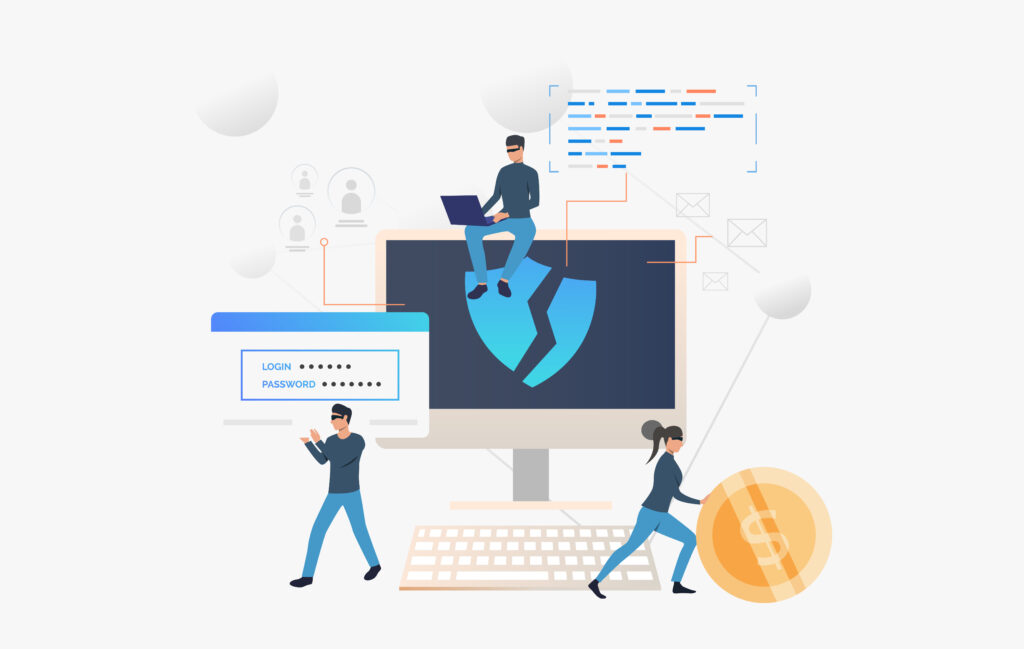
This guide explains the best practices every business, website development company, and brand should implement to secure their website from hacking attempts.
1. Use Strong and Updated Passwords
Weak passwords are one of the biggest loopholes hackers exploit. Always use complex passwords containing uppercase letters, lowercase letters, numbers, and symbols. Avoid using predictable information like birthdays or company names.
To improve security:
- Use a password manager
- Update passwords every 60–90 days
- Enable two-factor authentication (2FA)
A secure login environment is the first line of defense.
2. Keep Software, Plugins, and Themes Updated
Outdated software is the most common gateway for cybercriminals. Whether your website runs on WordPress, Shopify, or custom code, regular updates are critical.
A professional website development company ensures:
- CMS updates
- Plugin and theme updates
- Removal of outdated or unsupported add-ons
This prevents hackers from exploiting outdated scripts and vulnerabilities.
3. Install SSL Certificates
An SSL certificate encrypts data exchanged between the user and the server. It protects sensitive information like login credentials, payment details, personal data, etc.
HTTPS websites also get better SEO rankings, which is why even the Best SEO agency in India recommends SSL as a mandatory security measure.
4. Enable Web Application Firewall (WAF)
A Web Application Firewall analyzes incoming traffic and blocks suspicious or malicious activity.
Benefits of WAF include:
- Protection against DDoS attacks
- Prevention of SQL injection attempts
- Blocking cross-site scripting (XSS) attacks
- Monitoring unusual traffic patterns
Most premium hosting providers offer built-in WAF options.
5. Regularly Backup Your Website
Even the most secure websites are not 100% immune to cyberattacks. That is why regular backups are essential.
You should maintain:
- Daily backups (for dynamic websites)
- Weekly backups (for static websites)
- Off-site or cloud backups for extra protection
A backup ensures your website can be restored quickly without losing critical data.
6. Use Secure Hosting
Your hosting provider plays a major role in website security. Choose a reputable hosting company that provides:
- Malware scanning
- Server-level firewalls
- Automated backups
- Secure data centers
A good host drastically reduces hacking risks. Most premium hosting companies used by the best performance marketing agency in India follow world-class security standards.
7. Protect Against SQL Injection
SQL injection is a common hacking technique where attackers manipulate database queries. To protect against it:
- Use prepared statements
- Avoid dynamic SQL queries
- Implement input validation
- Use database firewalls
This keeps your database safe from unauthorized access and manipulation.
8. Limit Login Attempts
Hackers often use brute-force attacks to guess passwords. By limiting login attempts, you can block bots and attackers after multiple failed tries.
Most CMS platforms offer plugins that allow:
- Temporary user blocking
- IP blacklisting
- Two-factor authentication
This simple step significantly reduces hacking risks.
9. Use File Permissions and Access Controls
Restricting access to certain files and directories is another important security measure.
Set proper permissions for:
- wp-config.php
- .htaccess
- Core CMS files
Locking these files prevents unauthorized modifications by attackers.
10. Conduct Regular Security Audits
Regular website security audits help identify vulnerabilities before hackers do.
A professional digital marketing agency, especially the best digital marketing agency Hyderabad, partners with top cybersecurity tools to conduct audits such as:
- Penetration testing
- Malware scanning
- Vulnerability assessments
- Server security checks
These audits ensure your website stays safe throughout the year.
11. Use CAPTCHA on Forms
Bots often target login pages, signup forms, and contact forms. Using CAPTCHA prevents automated attacks and spam submissions.
Tools like reCAPTCHA add an extra verification layer and block suspicious activity instantly.
12. Monitor Real-Time Website Activity
Monitor website traffic, user behavior, and unusual login attempts.
Security tools like Sucuri, Wordfence, and Cloudflare help track:
- IP addresses
- Suspicious logins
- Unexpected file changes
- Traffic spikes
Early detection helps prevent bigger attacks.
Conclusion
Cybersecurity is not a one-time task—it is a continuous process. Implementing the security measures above will significantly reduce the risk of hacking attempts and protect your brand reputation, customer data, and website performance. Whether you work with a website development company, a digital marketing agency, the best digital marketing agency Hyderabad, or even the Best SEO agency in India, prioritizing website security ensures long-term success and uninterrupted growth.
digital marketing agency, best digital marketing agency hyderabad, best performance marketing agency in india, website development company, Best SEO agency in india, Best Shopify development company In India